Learning how to calculate feed cost per pound of gain can help livestock producers improve feeding efficiency and manage profitability more effectively. Feed cost per pound of gain is one of the most important numbers in livestock production because it directly affects profitability. Whether you are feeding cattle, pigs, sheep, or other livestock, understanding feeding efficiency can help you reduce costs and improve returns.
This guide explains how feed cost per pound of gain works, why it matters, and how farmers can use it to make better management decisions.
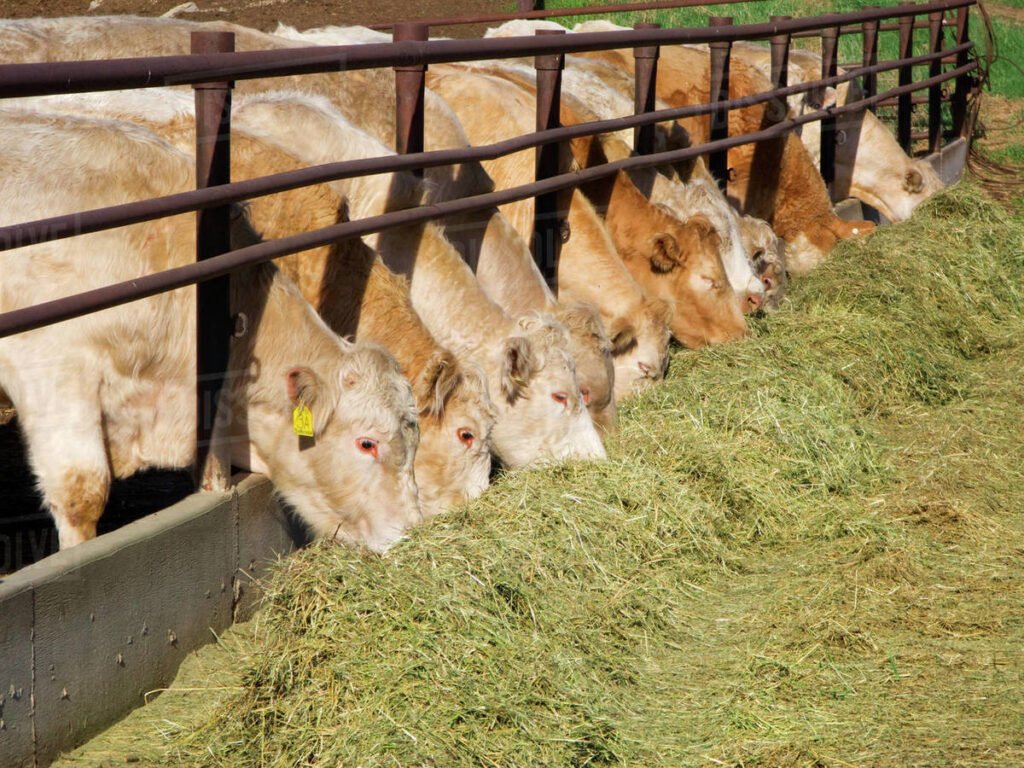
What Is Feed Cost Per Pound of Gain?
Feed cost per pound of gain measures how much money it costs to add one pound of body weight to livestock.
The calculation compares:
- Total feed cost
- Total weight gain
This metric helps producers evaluate feeding efficiency and determine whether a feeding program is profitable.
Lower feed cost per pound of gain generally indicates better feeding efficiency and lower production costs.
Feed Cost Per Pound of Gain Formula
The formula is:
Feed Cost Per Pound of Gain = Total Feed Cost ÷ Total Weight Gain
Example:
- Total Feed Cost = $1,500
- Total Weight Gain = 1,000 pounds
Calculation:
$1,500 ÷ 1,000 = $1.50
In this example, it costs $1.50 in feed to produce one pound of livestock weight gain.
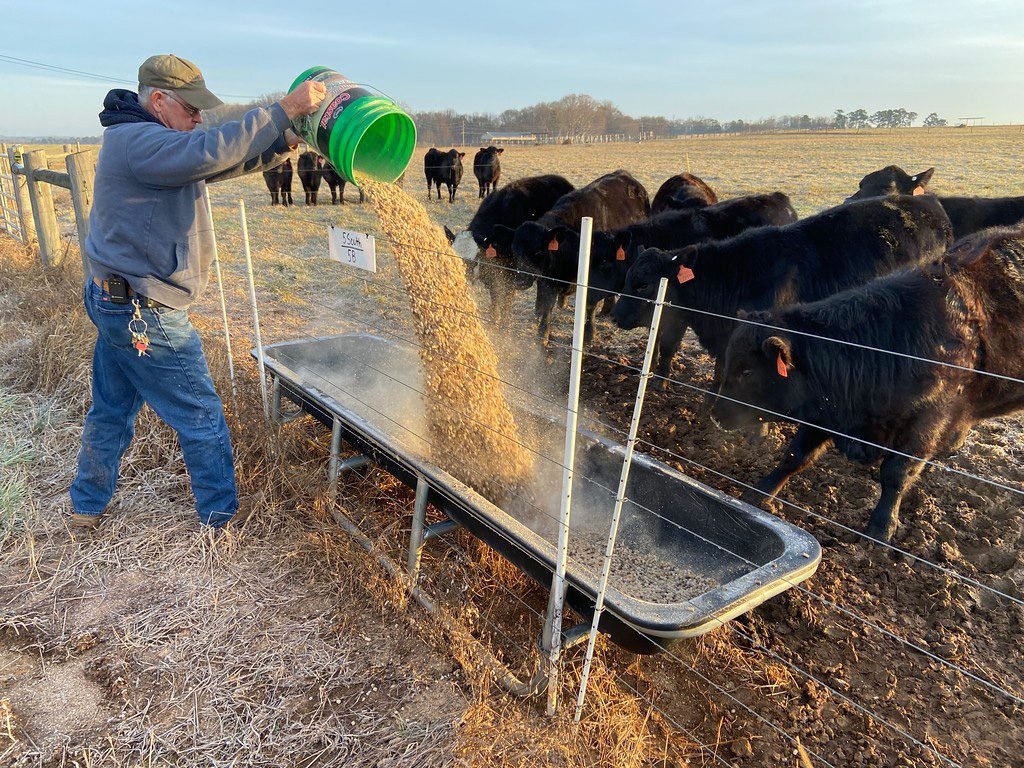
Why Feed Cost Per Pound of Gain Matters
Feed is often the largest expense in livestock production. Even small improvements in feeding efficiency can significantly improve profitability.
Tracking feed cost per pound of gain allows producers to:
- Compare feed programs
- Monitor feeding efficiency
- Evaluate feed quality
- Improve profitability
- Reduce unnecessary expenses
- Determine break-even prices
Farmers who closely monitor feeding costs are often able to make faster and more profitable decisions.
Factors That Affect Feed Cost Per Pound of Gain

Several factors influence feed efficiency and feeding costs.
Feed Quality
Higher-quality feed may improve weight gain and reduce feed waste.
Feed Prices
Increases in grain or feed prices directly increase cost per pound of gain.
Animal Genetics
Some livestock genetics convert feed into weight gain more efficiently than others.
Health and Stress
Illness, poor nutrition, or environmental stress can reduce feed efficiency.
Feeding Management
Overfeeding, underfeeding, and inconsistent feeding schedules can impact gain and profitability.
How Farmers Use Feed Cost Per Pound of Gain
Many producers use feed cost per pound of gain to decide:
- Whether to continue feeding livestock
- When to sell animals
- Which feed ration is most efficient
- Whether current market conditions are profitable
Feed efficiency data can also help producers compare livestock groups and identify areas for improvement.
Feed Cost Per Pound of Gain vs Feed Conversion Ratio
Feed cost per pound of gain and feed conversion ratio are closely related but different.
Feed conversion ratio measures the amount of feed required to produce one pound of gain.
Feed cost per pound of gain measures the actual dollar cost of producing one pound of gain.
Both measurements are important for evaluating feeding performance and profitability.
Improve Feeding Profitability
Improving feed efficiency is one of the best ways to increase livestock profitability.
Farmers can improve profitability by:
- Reducing feed waste
- Improving herd health
- Using higher-quality feed
- Monitoring average daily gain
- Tracking feed conversion regularly
- Managing feeding schedules carefully
Small improvements in efficiency can create significant financial benefits over time.
Use Our Feed Cost Per Pound Gain Calculator
Our Feed Cost Per Pound Gain Calculator helps farmers quickly estimate feeding costs based on total feed expense and livestock weight gain.
You may also want to use these related calculators:
- Feed Conversion Ratio Calculator
- Livestock Profit Calculator
- Break-Even Feed Price Calculator
- Livestock Feed Efficiency Calculator
- Livestock Cost of Gain Calculator
These tools can help you better understand livestock profitability, feeding efficiency, and production costs.