Beef prices and cattle profitability are closely connected because cattle market prices directly affect livestock revenue, margins, and farm income. When beef prices rise, cattle producers often have opportunities to increase profits. When prices fall, profit margins can shrink quickly, especially when feed costs remain high.
Understanding how beef prices affect cattle profitability helps producers make better decisions about buying, feeding, and marketing livestock.
Why Beef Prices Matter
The selling price of cattle is one of the largest factors affecting profitability. Even small changes in market prices can significantly affect returns on individual animals and entire herds.
For producers feeding cattle, higher beef prices may improve profit margins and lower financial risk. Lower beef prices can increase break-even pressure and make profitability more difficult to achieve.
How Rising Beef Prices Affect Profitability
When cattle prices increase, producers generally receive more revenue per pound sold.
For example, a 1,400-pound finished animal sold at $2.00 per pound generates:
1,400 × $2.00 = $2,800
If market prices rise to $2.15 per pound:
1,400 × $2.15 = $3,010
That increase generates an additional $210 in revenue from a single animal.
Across an entire herd, even modest price increases can significantly improve farm income.
How Lower Beef Prices Affect Producers
Falling cattle prices create challenges for producers because many production costs remain fixed.
Expenses such as:
- Feed
- Health treatments
- Transportation
- Financing
- Yardage
often remain the same regardless of market conditions.
When selling prices decline, profit margins narrow and break-even prices become increasingly important.
The Importance of Break-Even Analysis
Every cattle producer should understand their break-even price before marketing animals.
A break-even price represents the minimum price required to recover production costs.
Knowing this number helps producers evaluate marketing opportunities and determine whether current market conditions support profitability.
Producers often use break-even calculations to reduce risk and improve decision-making.
How Feed Costs Influence Cattle Profitability
Beef prices do not operate in isolation.
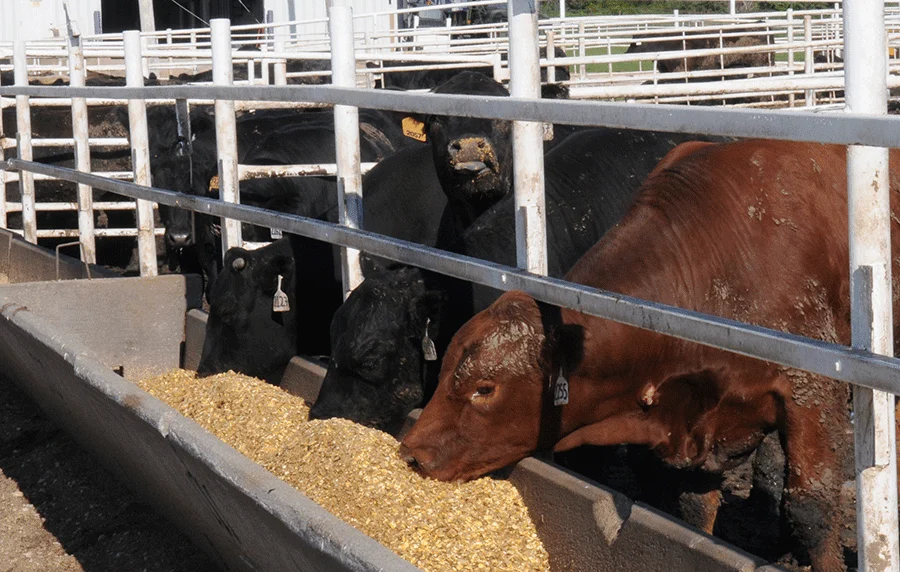
Feed costs remain one of the largest expenses in cattle production and can significantly affect profitability even when cattle prices are strong.
For example, rising grain or soybean meal prices can increase the cost of gain and reduce profit margins.
This is why successful producers monitor both cattle markets and feed markets throughout the production cycle.
Using Calculators to Evaluate Profitability
Several tools can help cattle producers evaluate changing market conditions:
Use our Livestock Profit Calculator to estimate potential profit or loss based on purchase cost, feed expenses, and expected sale value.
Use the Stocker Cattle Profit Calculator to evaluate the profitability of purchasing, growing, and selling stocker cattle under different market conditions.
Use the Cattle Finishing Profit Calculator to estimate finishing margins and determine how feed costs and market prices affect profitability.
Use the Break-Even Sale Price Calculator to calculate the minimum sale price needed to recover all production costs.
Use the Livestock ROI Calculator to measure return on investment and compare different cattle production opportunities.
These calculators can help producers evaluate Beef Prices and Cattle Profitability under different market conditions and make more informed livestock management decisions.

Factors That Affect Cattle Profitability
Several factors influence cattle profitability, including:
- Beef prices
- Feed costs
- Feed efficiency
- Weight gain
- Animal health
- Financing costs
- Transportation expenses
- Marketing timing
Successful producers monitor these factors regularly to protect profit margins and manage risk.
Final Thoughts
Beef prices remain one of the most important drivers of cattle profitability. Understanding how market prices affect revenue, margins, and break-even points helps producers make more informed management decisions.
By monitoring market conditions, tracking costs, and regularly evaluating profitability, cattle producers can better position themselves for long-term success regardless of changing market conditions.